

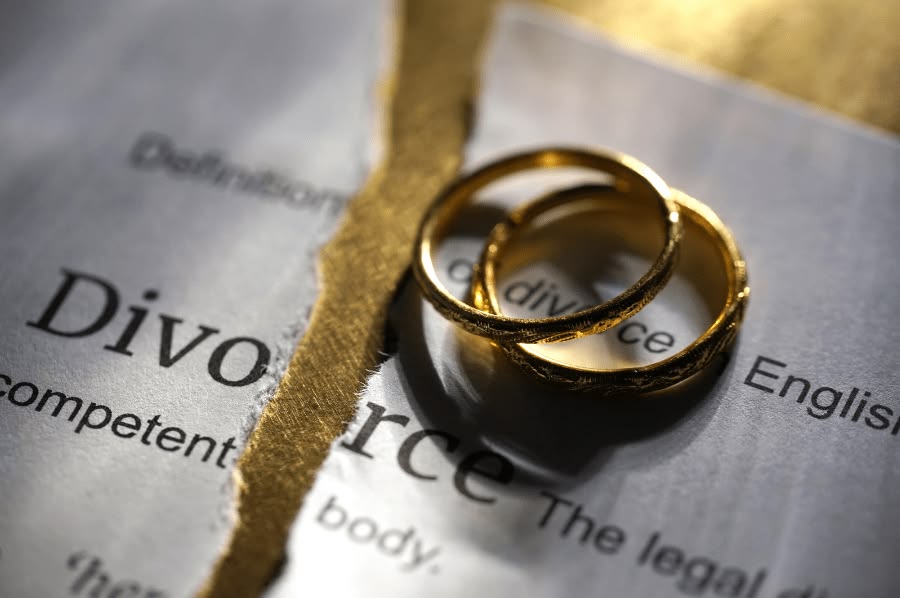
In India, divorce proceedings are governed by different personal laws and statutory provisions, depending on the religion of the parties and the law under which their marriage was solemnised. The Hindu Marriage Act, 1955, the Special Marriage Act, 1954, the Divorce Act, 1869, and other applicable matrimonial laws establish the legal framework for divorce and related remedies.
A divorce may be sought through mutual consent when both spouses agree to dissolve the marriage, or through contested proceedings when one spouse seeks divorce on legally recognised grounds and the other does not agree.
Understanding the applicable law, preparing the necessary documents and following the correct court procedure are essential for protecting individual rights and resolving matrimonial disputes.
Types of Divorce in India
Indian matrimonial law recognises different procedures for dissolving a marriage. The appropriate procedure depends on the circumstances of the relationship and the applicable legislation.
1. Mutual Consent Divorce
Mutual consent divorce is an option when both spouses agree that they cannot continue their marriage and jointly wish to dissolve it.
Under Section 13B of the Hindu Marriage Act, 1955, the parties must establish that:
- They have been living separately for at least one year.
- They have not been able to live together.
- They have mutually agreed that the marriage should be dissolved.
The process generally involves filing a joint petition, recording the parties’ statements and completing the required court proceedings. The statutory six-month interval before the second motion may be waived by the court in appropriate cases, subject to applicable legal principles.
A mutual consent settlement may also address maintenance, permanent alimony, child custody, visitation rights and financial arrangements.
2. Contested Divorce
Contested divorce arises when one spouse seeks dissolution of marriage but the other spouse does not agree, or when the parties dispute the grounds or terms of divorce.
The petitioner must establish a legally recognised ground under the applicable matrimonial law. The court examines the pleadings, documents, evidence and arguments before deciding the matter.
Common grounds under Section 13 of the Hindu Marriage Act include cruelty, desertion, adultery, conversion to another religion, certain forms of mental disorder, renunciation of the world and presumption of death.
The grounds available under other matrimonial statutes may differ.
3. Divorce Under the Special Marriage Act
The Special Marriage Act, 1954 provides a civil marriage framework for people who marry under its provisions, including interfaith couples.
Section 27 provides grounds on which either spouse may seek divorce. Section 28 provides for divorce by mutual consent, subject to its statutory requirements.
The applicable provisions must be examined according to the registration and solemnisation of the marriage.
4. Divorce Under Other Personal Laws
Different communities in India may be governed by separate matrimonial statutes and personal laws.
For example:
- Christian marriages and divorce are governed by the Divorce Act, 1869, subject to its scope and provisions.
- Parsi marriages and divorce are governed by the Parsi Marriage and Divorce Act, 1936.
- Muslim matrimonial matters are governed by applicable personal laws and relevant legislation.
The legal procedure and available remedies depend on the parties’ circumstances and the governing law.
Grounds for Divorce Under Indian Law
The grounds for divorce vary according to the applicable matrimonial statute. Under Section 13 of the Hindu Marriage Act, 1955, important grounds include:
1. Cruelty
Cruelty may be physical or mental. Conduct that causes serious physical or mental suffering or makes it unreasonable to expect a spouse to continue living with the other may constitute a ground for divorce, depending on the evidence and circumstances.
2. Desertion
Desertion involves abandonment by one spouse without reasonable cause, without the consent of the other spouse or against their wishes. Under Section 13(1)(ib) of the Hindu Marriage Act, the statutory period is at least two continuous years immediately before filing the petition.
3. Adultery
Voluntary sexual intercourse by one spouse with a person other than their spouse after marriage is a statutory ground for divorce under the Hindu Marriage Act.
4. Conversion
A spouse may seek divorce if the other spouse has ceased to be Hindu by converting to another religion, subject to the applicable statutory requirements.
5. Mental Disorder
Certain forms of incurable mental illness or mental disorder of such a nature and extent that the petitioner cannot reasonably be expected to live with the respondent may constitute a ground under the Act. The statutory test and supporting evidence are important.
6. Renunciation of the World
Renunciation of worldly life by entering a religious order is recognised as a ground for divorce under the Hindu Marriage Act.
7. Presumption of Death
A spouse may seek divorce where the other party has not been heard of as being alive for seven years or more by persons who would naturally have heard from them, had they been alive.
The availability and proof of each ground depend on the applicable statute and the facts of the case.
Legal Services for Divorce and Matrimonial Disputes
We assist individuals in understanding their legal options and navigating divorce proceedings under applicable Indian matrimonial laws.
1. Mutual Consent Divorce
We assist couples in preparing joint divorce petitions, reviewing settlement terms and addressing matters such as alimony, maintenance, child custody and financial arrangements.
2. Contested Divorce Proceedings
We assist individuals seeking divorce on legally recognised grounds, including cruelty, desertion, adultery and other applicable grounds. Our approach focuses on case preparation, supporting evidence and appropriate legal representation.
3. Divorce Legal Notice
A legal notice may be considered in appropriate matrimonial disputes to communicate concerns, document relevant issues or initiate discussions regarding separation and settlement.
4. Alimony and Maintenance
Financial support may become an important issue during or after divorce proceedings. We assist in understanding claims relating to interim maintenance, permanent alimony and other financial relief available under applicable law.
5. Child Custody and Visitation Rights
Where children are involved, custody and visitation arrangements require careful consideration. Courts generally prioritise the welfare and best interests of the child while deciding custody-related matters.
6. Judicial Separation
Judicial separation is a legal remedy that allows spouses to live separately without immediately dissolving the marriage. Under Section 10 of the Hindu Marriage Act, either spouse may seek a decree of judicial separation on applicable statutory grounds.
7. Domestic Violence and Matrimonial Disputes
Certain matrimonial disputes may involve domestic violence, harassment, financial control or other forms of abuse. We assist in understanding available legal protections and remedies under applicable legislation, including the Protection of Women from Domestic Violence Act, 2005.
8. Divorce Settlement and Mediation
Where appropriate, mediation and negotiated settlement may help parties resolve disputes concerning maintenance, custody, property and other matrimonial issues without prolonged litigation.
9. Appeals and Related Court Proceedings
We assist in evaluating available legal remedies against matrimonial court orders and judgments, including appeals where maintainable under the relevant legislation.
Maintenance, Alimony and Financial Rights After Divorce
Financial arrangements are an important part of many divorce cases. Depending on the applicable law and circumstances, a spouse may seek interim maintenance during proceedings or permanent alimony after the final decree.
Relevant considerations may include:
- Income and earning capacity of both spouses.
- Financial needs and existing responsibilities.
- Standard of living during the marriage.
- Duration of the marriage.
- Financial assets and liabilities.
- Health and other relevant circumstances.
- The needs and welfare of dependent children.
Maintenance and alimony are not automatically calculated using one fixed formula. The court considers the applicable legal provisions and individual circumstances before determining an appropriate amount.
Child Custody During Divorce Proceedings
When spouses have children, custody arrangements are among the most sensitive aspects of matrimonial disputes.
Courts consider the welfare and best interests of the child as the primary consideration. Depending on the facts, arrangements may include:
- Physical custody.
- Joint or shared parenting arrangements, where appropriate.
- Visitation and access rights.
- Temporary custody during proceedings.
- Educational and medical decision-making arrangements.
- Financial support and child maintenance.
The court may consider the child’s age, needs, existing care arrangements, parental capacity and other relevant circumstances. Custody is not automatically awarded to either parent solely because of their gender.
Documents Required for Divorce Proceedings
The documents required depend on the type of divorce, applicable law and facts of the matter. Common documents include:
- Marriage certificate or other marriage-related proof.
- Identity and address proof of both spouses.
- Marriage photographs or invitation card, where relevant.
- Details of children, if applicable.
- Residential and employment information.
- Income proof, salary slips and financial statements.
- Bank statements and details of financial assets.
- Evidence supporting the grounds for contested divorce.
- Previous legal notices, court orders or complaints, where applicable.
- Settlement agreement and financial arrangements in mutual consent cases.
Additional documents may be required during the proceedings.
Divorce Procedure in India
The procedure generally involves the following stages, although the exact process varies according to the applicable law and type of divorce.
Step 1: Initial Legal Consultation
Understand the circumstances of the marriage, the issues involved and the legal grounds or available options.
Step 2: Review of Documents
Examine marriage-related records, financial information, communications and other supporting documents.
Step 3: Selection of Legal Remedy
Determine whether mutual consent divorce, contested divorce, judicial separation or another matrimonial remedy is appropriate.
Step 4: Preparation and Filing of Petition
Prepare the necessary petition and supporting documents and file them before the competent court having jurisdiction.
Step 5: Court Proceedings
Depending on the case, proceedings may involve notices, responses, mediation, evidence, hearings and arguments.
Step 6: Final Order or Divorce Decree
After considering the applicable legal requirements and evidence, the court may pass the appropriate order or decree.
Why Choose Professional Legal Assistance for Divorce Matters?
Divorce proceedings can involve emotional, financial and legal challenges. Professional legal guidance can help individuals understand their rights, evaluate available remedies and make informed decisions.
Our approach focuses on:
- Understanding the facts and legal issues involved.
- Reviewing applicable matrimonial laws.
- Preparing divorce petitions and supporting documents.
- Addressing maintenance and alimony claims.
- Assisting with child custody and visitation disputes.
- Supporting mediation and settlement discussions.
- Handling contested proceedings and related legal remedies.
- Protecting the legal interests of clients throughout the process.
Every matrimonial dispute is different. Legal advice should be based on the applicable law, available evidence and individual circumstances.
Frequently Asked Questions (FAQs)
1. What is the difference between mutual consent and contested divorce?
Mutual consent divorce is filed when both spouses agree to dissolve their marriage and satisfy the statutory requirements. Contested divorce is initiated when one spouse seeks divorce on a legally recognised ground and the matter requires adjudication by the court.
2. How long does a mutual consent divorce take in India?
The duration depends on the applicable law, court schedule and completion of procedural requirements. Under Section 13B of the Hindu Marriage Act, the second motion is ordinarily made after six months and within eighteen months of filing the joint petition. The court may waive the six-month interval in appropriate cases.
3. Can I file for divorce without my spouse’s consent?
Yes. A spouse may file a contested divorce petition without the other spouse’s consent if legally recognised grounds are available under the applicable matrimonial law and can be established before the court.
4. Can I claim maintenance during divorce proceedings?
Yes. Depending on the applicable statute and circumstances, a spouse may seek interim maintenance and litigation expenses during matrimonial proceedings.
5. Who gets child custody after divorce?
There is no automatic rule that custody must always go to the mother or father. The court determines custody based primarily on the welfare and best interests of the child.
6. Can a divorce petition be withdrawn?
The possibility of withdrawal depends on the nature and stage of the proceedings. In mutual consent divorce, the consent requirements must continue to be satisfied until the decree is passed. A contested petition may also be subject to applicable procedural rules.
7. Can I seek divorce on the ground of mental cruelty?
Yes. Mental cruelty is a recognised ground under Section 13 of the Hindu Marriage Act. Whether particular conduct amounts to cruelty depends on the facts, evidence and judicial assessment.
8. Is court appearance necessary for mutual consent divorce?
The parties generally have to participate in the prescribed court process and make the required statements. Applicable court procedures and permitted video-conferencing arrangements may affect how appearances are conducted.
Get Professional Legal Assistance for Divorce Matters
Divorce involves important decisions concerning marriage, financial security, maintenance, child custody and future responsibilities. Understanding your legal rights and choosing the appropriate legal remedy can make the process more informed and structured.
Whether you are considering mutual consent divorce, facing a contested matrimonial dispute, seeking maintenance or addressing child custody concerns, professional legal assistance can help you understand the available options under Indian law.
Contact us to discuss your matrimonial concerns and receive guidance based on your circumstances and applicable legal provisions.